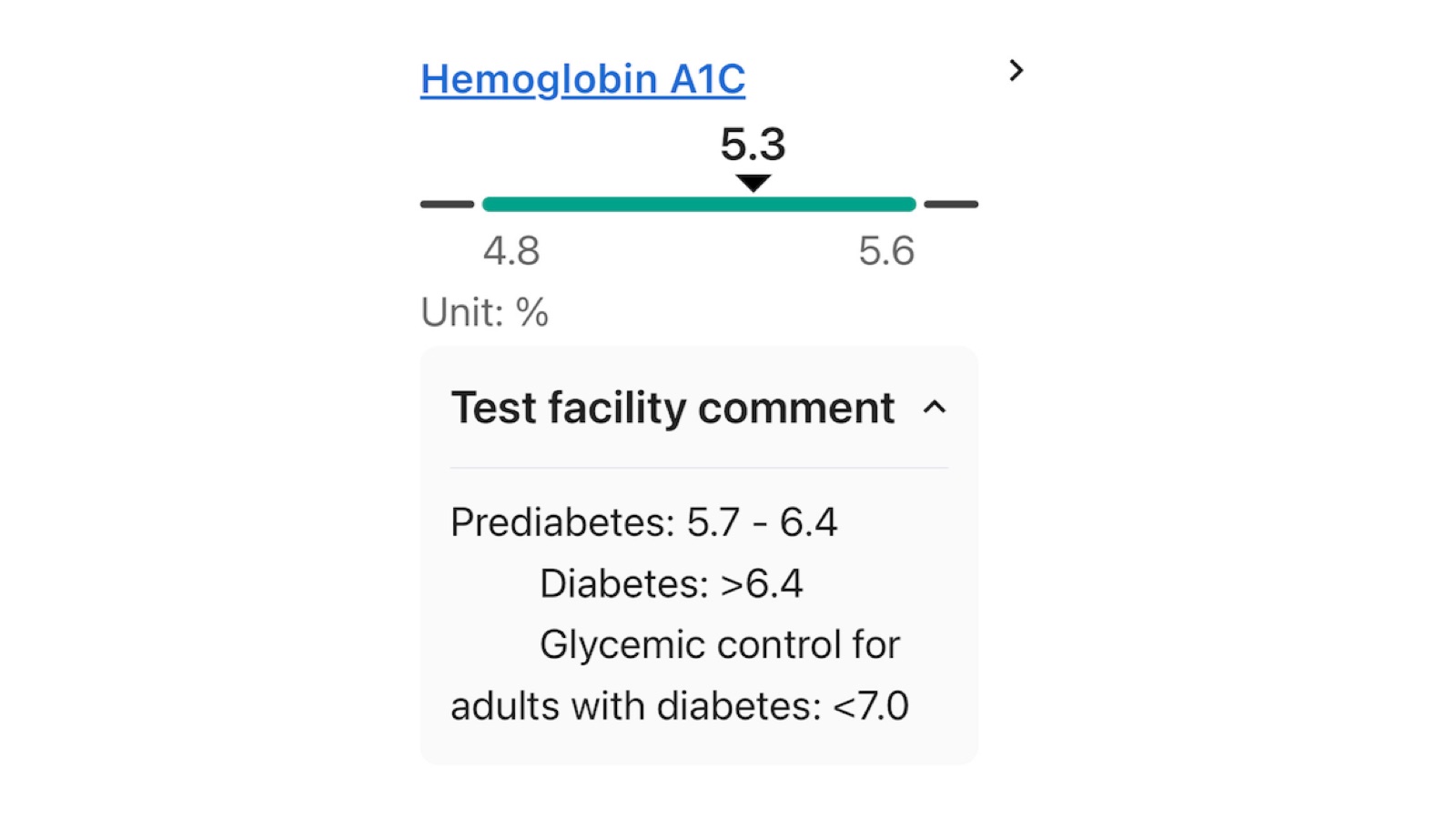
Recently, I received my latest lab results, and one number stood out: my Hemoglobin A1C at 5.3%. For those unfamiliar, A1C measures average blood sugar levels over the past two to three months, and a reading like mine falls squarely in the normal range, below the pre-diabetes threshold of 5.7%. It’s a reassuring snapshot of metabolic health, one that many people might glance at and move on. But as someone immersed in the world of clinical research, I see this simple percentage as a gateway to a much larger story. This isn’t just about diabetes management; A1C is merely one endpoint among countless others in clinical trials. From tumor shrinkage in oncology studies to symptom relief in rare disease research, these metrics represent the culmination of extraordinary effort to prove a treatment’s safety and efficacy.
What often goes unnoticed is the intricate, painstaking process behind even the most routine data points like a blood draw. Public discourse frequently fixates on drug costs or access issues, but rarely spotlights the dedicated professionals and brave participants who navigate a labyrinth of protocols, standards, and verifications to deliver reliable evidence. Drawing from my experience in conducting extensive research on this and writing two white papers on this subject, let’s peel back the layers to reveal the heroes shepherding these endpoints from trial sites to FDA approval.
The deceptively simple act of a blood draw
At first glance, drawing blood for a test like A1C seems straightforward: a quick prick, a vial filled, and results in hand. Yet in clinical trials, this “simple” activity is embedded in a web of operational safeguards designed to ensure data integrity. Blood draws provide vital insights into drug safety, efficacy, and health impacts, measuring everything from drug concentrations to biomarkers across diseases. But to withstand regulatory scrutiny, every step must be meticulously documented and verifiable.
Despite advances in technology, most data collection in clinical trials remains paper-based, adding layers of complexity and potential for error. [A] This reliance on manual processes persists even as academic medical centers (AMCs), which conduct many trials, are mandated under U.S. laws like the HITECH Act and the 21st Century Cures Act to use electronic health records (EHRs) for Medicare and Medicaid reimbursements. [B] Ironically, data from these EHRs is often still transcribed manually into electronic data capture (EDC) systems for trials, introducing delays, inconsistencies, and the risk of transcription errors. [C]
It begins with scheduling: A Clinical Research Coordinator (CRC) receives a notification for a patient’s blood draw, reviews the trial protocol for specifics (e.g., fasting requirements), and confirms supplies like collection kits are ready. Patient check-in adds layers of compliance. The CRC verifies informed consent is current, though challenges arise with systems lacking robust versioning. Then, delegation checks: Is the phlebotomist authorized? Do they have a current certificate in the Investigator Site File (ISF)? These verifications often require bridging to electronic ISF systems, which may lack digitized logs or seamless integration.
The draw itself demands precision: Confirming requirements, using the correct vials, and documenting every detail, often on paper forms that later need manual entry into digital systems. Post-collection processing (centrifugation to separate plasma, aliquoting for multiple tests, temperature-controlled storage, labeling, and chain-of-custody tracking) ensures sample quality. Was the centrifuge calibrated? Can the log be produced? These aren’t hypotheticals; the FDA can request such proof to validate data legitimacy.
Shipping introduces biohazard regulations: The handler must hold a current IATA certificate, with packaging monitored for temperature stability. Upon lab arrival, samples are logged into a Laboratory Information Management System (LIMS), stored appropriately, and analyzed, generating data on biomarkers or drug levels. Results are compiled, statistically reviewed, and reported back securely, frequently requiring manual transcription if originating from paper or disparate systems.
Finally, site review: The Principal Investigator (PI) interprets findings, flags adverse events for sponsor and IRB reporting, and may even unblind records for safety concerns. Data enters the EDC system, and if needed, results are shared with the patient for follow-up. Oh, is there an e-signature on-record from the PI guaranteeing all this?
This process, riddled with potential pitfalls like manual verifications, system incompatibilities, or paper-to-digital conversions, exemplifies why clinical trials demand such rigor. A single oversight (expired certification, improper vial, or shipping delay) could invalidate results, delay approvals, or compromise patient safety. Emerging standards like FHIR (Fast Healthcare Interoperability Resources) offer potential for better EHR-EDC integration, reducing manual entry burdens, [D] but widespread adoption remains a work in progress amid persistent reliance on paper and manual workflows.
The broader journey: From raw data to regulatory submission
Zooming out, a blood draw’s data feeds into a larger ecosystem of clinical evidence generation. In trials spanning oncology, cardiology, neurology, and beyond, diverse sources converge: electronic Case Report Forms (eCRFs), lab systems, medical devices, Electronic Health Records (EHRs), patient-reported outcomes, wearables, and more. Each arrives in fragmented formats (proprietary XML, CSVs, or even scanned PDFs), posing integration headaches, especially when much of it starts on paper and requires manual digitization. [E]
Transformation standardizes this chaos into CDISC’s Study Data Tabulation Model (SDTM). Mapping involves assigning data to domains (e.g., labs, adverse events), applying controlled terminologies, cleansing inconsistencies, and maintaining traceability for audits. From there, it evolves into the Analysis Data Model (ADaM) for statistical evaluation, generating tables, listings, and figures (TLFs) to assess safety and efficacy.
Analysis digs deeper: Statistical methods on ADaM datasets yield insights, interpreted in reports that integrate with broader trial data for benefit-risk assessments. Preparation for submission compiles everything into the electronic Common Technical Document (eCTD) format, complete with metadata on lineage and provenance.
Finally, submission to the FDA: Standardized packages enable efficient review, with transparency aiding timely decisions. This journey, from collection to approval, can span years, involving countless checks to ensure endpoints like A1C (or tumor response rates in cancer trials) are robust.
Honoring the unsung heroes
Behind these processes are the real MVPs: CRCs juggling schedules and consents, phlebotomists ensuring precise collections, data managers wrestling with formats, biostatisticians uncovering truths in numbers, and participants volunteering their time and bodies. These individuals, often working in under-resourced sites or high-stakes labs, face daily pressures to uphold standards amid tight timelines and evolving regulations.
Trial participants, too, deserve acclaim. Their bravery in facing uncertainties contributes to breakthroughs across diseases, from common conditions like diabetes to rare ones like spinal muscular atrophy. Yet, amid complaints about drug pricing, we overlook that these costs partly reflect the immense resources poured into this rigor, ensuring treatments are safe and effective before reaching millions.
A call for recognition
My 5.3% A1C isn’t just a personal win; it’s a reminder of the Herculean efforts in clinical research. Whether it’s validating a centrifuge log or transforming disparate data into submission-ready packages, these steps build the evidence that advances medicine. As we push for innovation in oncology, rare diseases, and beyond...
Let’s amplify the stories of those making it possible.
Their dedication turns simple numbers into life-changing progress, proving that behind every endpoint is a symphony of unsung heroism.
About the author
Bo Lora is a Principal Design Technologist and pragmatic futurist who seamlessly blends user experience expertise with cutting-edge web technology. With over 20 years of experience at industry leaders like Amazon, Dell, Travelocity, and USAA, Bo has established himself as a trusted expert in driving innovation and delivering exceptional user experiences across large-scale products and applications.
As a strategic leader, Bo guides cross-functional teams toward cohesive solutions that balance user needs with operational excellence. His vision extends beyond individual projects, shaping industry best practices through his active participation in the LinkedIn community and mentorship of UX designers, researchers, product managers, and engineers.
Bo embraces AI not as a replacement for human ingenuity but as an "exoskeleton" that empowers professionals to unlock productivity levels never seen before. His pragmatic approach seeks to harmonize human interaction with intelligent systems, removing inefficiencies while maintaining a user-centric focus. In the last two years, Bo has focused on the healthcare and life sciences industries, specifically clinical trials, which he believes are ripe for modernization. Bo's unique ability to identify opportunities, simplify complex challenges, and foster consensus empowers organizations to stay ahead of the curve, continuously evolving their digital offerings to meet the ever-changing demands of the modern landscape.
Sources
A. Paper-based data collection in clinical trials
- Comparison of paper-based and electronic data collection process… https://pubmed.ncbi.nlm.nih.gov/19345286/ An alternative to clinical trial paper-based data collection (PDC) is internet based electronic data collection (EDC), where the investigators over the…
- Improving Data Collection for Patient Care and Clinical Trials https://www.science.org/content/article/improving-data-collection-patient-care-and-clinical-trials Clinical trials are conducted using paper data collection as the primary tool (over 75%) despite the fact that electronic data collection tools have been…
- Paperless clinical trials: Myth or reality? https://pmc.ncbi.nlm.nih.gov/articles/PMC4527052/ Pharmaceutical organizations want to move toward a more technology-driven clinical trial process for recording, analyzing, reporting, archiving, etc.
- A Look Back: How Far Clinical Trial Technology Has Come https://www.appliedclinicaltrialsonline.com/view/a-look-back-how-far-clinical-trial-technology-has-come Most clinical studies’ data collection took place on paper… most delivery models still depend heavily on manual interventions at…
- Clinical Data Management Solutions: Digital, Paper, or a Hybrid… https://www.dfnetresearch.com/clinical-data-management-solutions-digital-paper-or-a-hybrid-approach/ In fact, most trials still rely on some form of paper source data collection or include sites with limited connectivity.
B. Mandated EHR use in Academic Medical Centers (Under HITECH Act and 21st Century Cures Act)
- What is the HITECH Act? 2025 Update https://www.hipaajournal.com/what-is-the-hitech-act/ The HITECH Act encouraged healthcare providers to adopt electronic health records and improve privacy and security protections for healthcare data.
- Health IT Legislation https://www.healthit.gov/topic/laws-regulation-and-policy/health-it-legislation There are many provisions of the 21st Century Cures Act (Cures Act) that will improve the flow and exchange of electronic health information.
- HITECH to 21st century cures: clinician burden and evolving health… https://pmc.ncbi.nlm.nih.gov/articles/PMC8068412/ The Cures Act specifically required this be a collaborative process that includes consultation with many stakeholders and establish burden…
- Certified EHR Technology https://www.cms.gov/medicare/regulations-guidance/promoting-interoperability-programs/certified-ehr-technology Health care providers need certified electronic health record (EHR) technology (CEHRT) that stores data in a structured format.
- 7 Key Benefits of EHR Systems URL: https://bouve.northeastern.edu/news/7-key-benefits-of-ehr-systems/ Patients: Due to the HITECH act, patients now have the right to access their healthcare information via a digital copy of their health data…
C. Manual entry of data from EHRs into EDC systems
- Automated Electronic Health Record to Electronic Data Capture… https://pmc.ncbi.nlm.nih.gov/articles/PMC10439471/ Automated digital transfer from EHRs to EDC systems (EHR2EDC) would enable more accurate and efficient data capture but has so far encountered…
- Overcoming the EHR-to-EDC Challenge in Clinical Trials https://www.medidata.com/en/life-science-resources/medidata-blog/ehr-to-edc-integration/ Explore the potential of integrating Electronic Health Records (EHRs) into Electronic Data Capture (EDC) systems to enhance clinical research.
- You Asked and We Answered: What is EHR-to-EDC in Clinical Trials? https://www.openclinica.com/blog/you-asked-and-we-answered-what-is-ehr-to-edc-in-clinical-trials/ Key results of EHR-to-EDC integration include the elimination of manual data entry, far fewer data entry errors, real-time health record access…
- Goodman | Automating Data Entry from Electronic Health Record to… https://www.jscdm.org/article/id/371/ For most clinical trials, data are primarily extracted from the EHR via human interaction, manually or with assistance from a data management system…
- Evaluating automated electronic case report form data entry from… https://pmc.ncbi.nlm.nih.gov/articles/PMC9947602/ Many clinical trials leverage real-world data. Typically, these data are manually abstracted from electronic health records (EHRs) and entered into…
D. FHIR for EHR-EDC Integration
- Use of FHIR in Clinical Research: From Electronic Medical Records… https://www.cdisc.org/kb/articles/use-fhir-clinical-research-electronic-medical-records-analysis In this project we examine extending the use of FHIR to provide near real time analytics directly from EHRs (electronic healthcare records).
- HL7 FHIR-based tools and initiatives to support clinical research https://pmc.ncbi.nlm.nih.gov/articles/PMC9382376/ FHIR is a set of data models and aligned technologies that define data formats, data elements, and application programming interface (API) protocols to enable…
- Archer: EHR-to-EDC Data Integration for Clinical Trials https://ignitedata.com/meet-archer/ Archer takes full advantage of HL7 FHIR by using SMART on FHIR APIs to create a fast-tracked data conduit, with easy integration between all the leading EHRs…
- Integrated electronic health record tools to access real-world data in… https://pmc.ncbi.nlm.nih.gov/articles/PMC11633941/ This project demonstrates the value of standards-based EHR data, aligned across clinical and research data requirements, integrated within…
- SMART on FHIR: Auto-Populate eCRFs on Study Day One https://www.openclinica.com/blog/smart-on-fhir-auto-populate-ecrfs-on-study-day-one/ The OpenClinica Unite EHR integration is built on Part 11-compliant electronic data capture (EDC), has traceability to source (data originator…
E. Diverse Data Sources in Clinical Trials
- Using electronic health records for clinical trials: Where do we stand… URL: https://pmc.ncbi.nlm.nih.gov/articles/PMC6351244/ Published: N/A Snippet: We outline the potential benefits and difficulties of conducting RCTs using EHRs, drawing on a systematic evaluation of existing trials.
- Data Sources URL: https://www.ncbi.nlm.nih.gov/books/NBK551884/ Published: N/A Snippet: The purpose of this chapter is to describe several common sources of data that may be incorporated into a patient registry and discuss the strengths and…
- Clinical Data Integration: Everything You Need to Know URL: https://www.medidata.com/en/life-science-resources/medidata-blog/clinical-data-integration/ Published: Jun 16, 2025 Snippet: Successful clinical trials rely on the collection and analysis of data from a wide variety of sources, including sites, patients, and labs…
- How platforms solved clinical trials’ disparate data problem across… URL: https://www.medable.com/knowledge-center/blog-how-platforms-solved-clinical-trials-disparate-data-problem Published: Oct 15, 2024 Snippet: Other data sources gaining traction include: Direct data capture (76.5%); Devices and apps (71.4%); Medical images (70.2%); EHR/EMR (Electronic…
- The Ultimate Guide to Electronic Data Capture for Clinical Trials URL: https://www.quanticate.com/blog/electronic-data-capture-systems-in-clinical-trials Published: Jan 31, 2025 Snippet: Patient-reported outcomes (ePRO) functionality enabling patients to submit data electronically; Integration with medical devices and wearables…