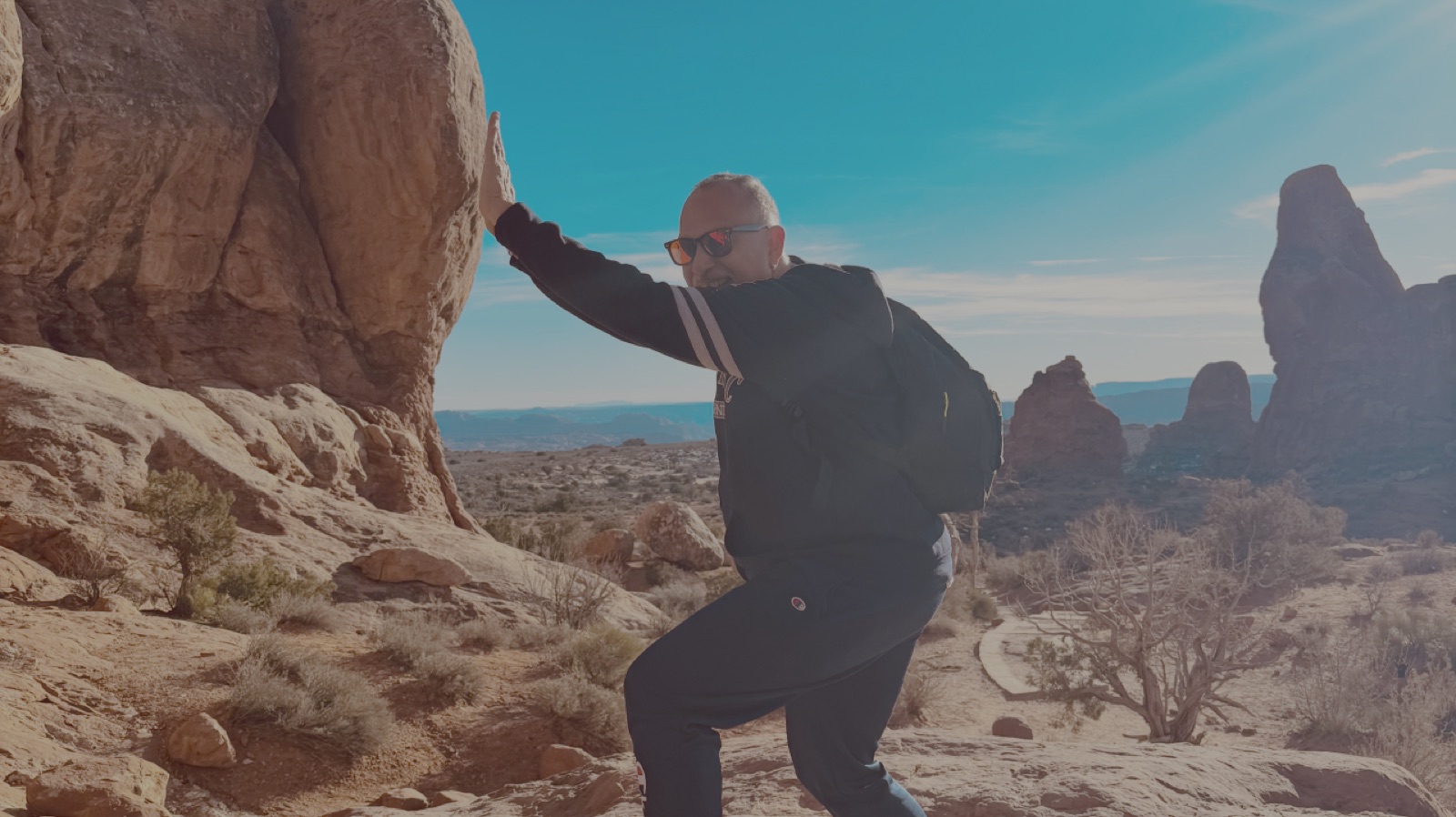
As we head into the peak of the 2026 healthcare conference season, the industry is once again chasing quick dopamine hits. We spend upwards of $15,000 per person on travel, registration, and exclusive dinners (all for a few days of high-intensity networking). You leave with a stack of digital contacts you will never message and a sense of excitement that wanes before you even reach the parking lot. By the time you have cleared your Monday morning inbox, the "transformation" you felt is gone.
This cycle persists despite a sobering reality: The global healthcare ecosystem is currently traversing a period of profound structural realignment, characterized by an aggressive pivot from exploratory digital adoption to a rigorous, results-oriented "Accountability Era." This transition is necessitated by a convergence of existential pressures: a projected global shortage of 11 million healthcare professionals by 2030, catastrophic fiscal deficits in major economies, and a "patent cliff" in the biopharmaceutical sector that threatens hundreds of billions in revenue. (AHA - 4 Takeaways from JPM 2026)
While the theoretical potential of digital health to bridge these gaps is well-documented, the historical reality remains sobering, with digital transformation failure rates persisting between 70% and 95%. (Integrate IO - Data Transformation Challenge Stats - 2026)
Is the failure execution?
The prevailing chorus on LinkedIn and across the industry continues to call out "Execution" as the ultimate point of failure. We hear it in every keynote and read it in every post-mortem: the strategy was sound, but the execution faltered.
I see it differently. When leadership cannot execute, it is not a failure of project management; it is a failure of foundation. Execution is the visible result of an underlying mindset.
The most significant challenge I see in the current landscape is the gap in personal digital fluency. We are in an era where leaders are asked to fund and oversee massive AI initiatives (projects that promise to have their organizations "running" at scale) yet many of those same leaders haven't yet had the opportunity to personally "crawl" with the tools. There is a disconnect between the corporate mandate for AI and the individual leader’s chance to master it as a personal cognitive exoskeleton.

From the keynote stage to the Monday morning bottleneck.
This is where the industry’s "dopamine hit" cycle fails us. We attend conferences to find better ways to execute, but we return home with the same mental framework that caused the bottleneck in the first place.
So what is the antidote?
The Digital Adoption Accelerator is the antidote because it stops treating the symptom and starts addressing the root cause.
In his book Humans to the Power of AI, Jake Herway introduces the concept of the Digital Athlete. In the context of leadership, being a Digital Athlete means moving away from the "conference high" and toward a core, daily discipline. It is about practicing the fundamentals of digital adoption with the same intensity and precision that an elite athlete brings to their craft.
The Moab experience
I think it is remarkably difficult to grasp the impact of a trip to Moab, Utah, to spend a week at the Digital Adoption Accelerator without actually experiencing it. It is a pragmatic, intensive environment where we strip away the jargon and focus on the personal competence required to lead in this new era.
You spend a concentrated amount of time working on yourself and with others to create long-lasting relationships (built on trust rather than proximity) and join a community of kindred spirits who are all-in on saving lives.
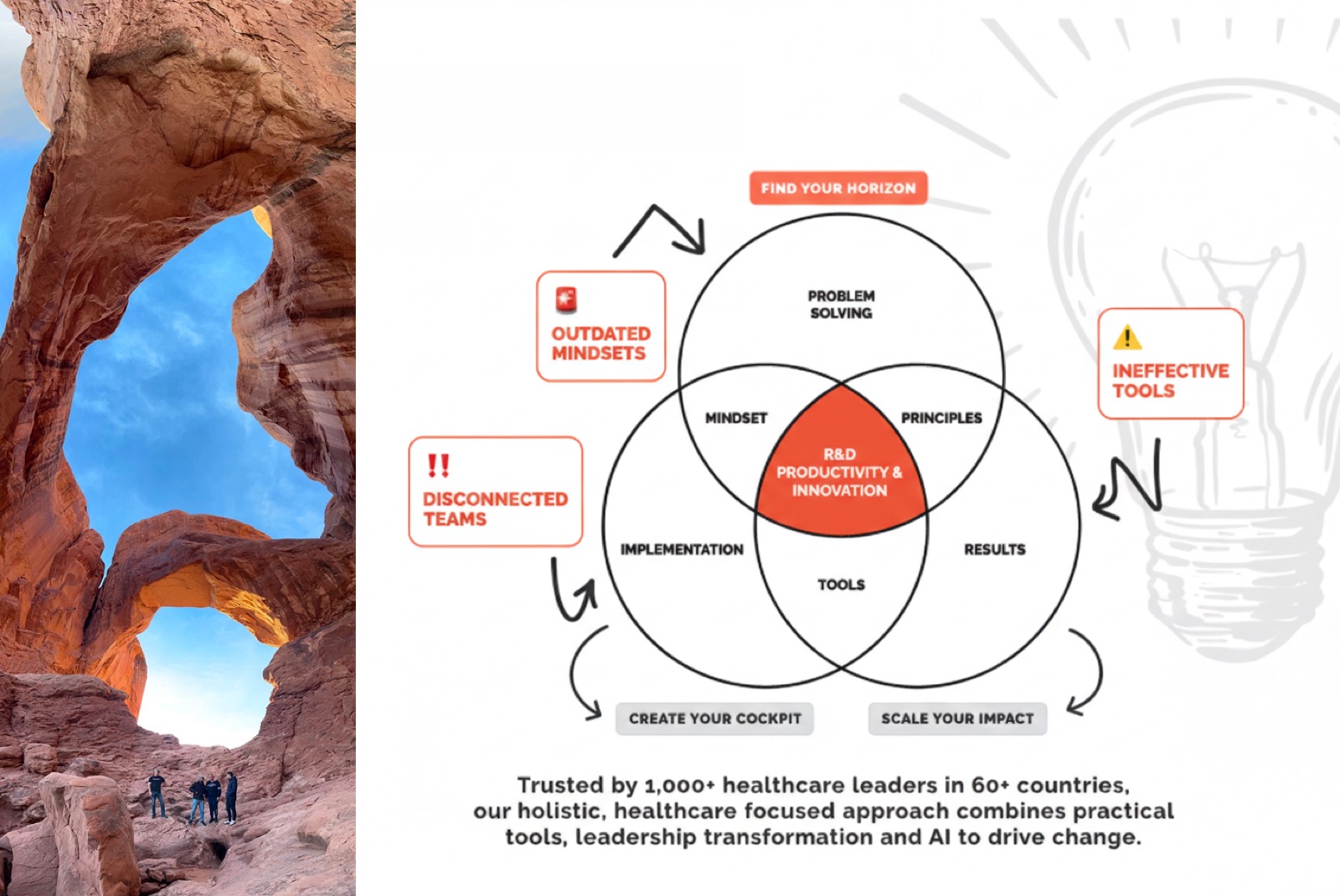
Double Arches at the National Arches Park
The Real Consulting Case
Within the context of a six-month cohort, you have a sustained activity that reframes your mindset. In Moab, the excitement doesn't wane because it is anchored in this new way of thinking.
But a new mindset requires a place to practice. This is why the cohort doesn’t end when we leave the desert. As a group, we align on a “Real Consulting Case” (a substantive, industry-level challenge) that we tackle together over the full six months.
This isn't a theoretical exercise. It is a group initiative that serves to bond the cohort through shared accountability. It is the arena where we apply our new knowledge as Digital Athletes, moving from individual "crawling" to collective "running." By working through a live case, we move past the superficial networking of the conference circuit and into deep, trust-based collaboration.
Within the context of this six-month journey, you aren't just learning about the future of healthcare; you are actively building a piece of it with a community of kindred spirits who are all-in on saving lives. That is a very powerful thing.
Building the Human Infrastructure for the Accountability Era
For senior executives under pressure to move AI from exploratory pilot to P&L impact, I want to talk about your team. Are they currently equipped to lead in this new landscape, or are they inadvertently acting as bottlenecks?
You are making massive investments in digital infrastructure, but those investments are only as durable as the people steering them. In my observations, the recurring systemic risk is the fluency gap. We are asking leaders to oversee organizations "running" with AI when many haven't yet had the opportunity to personally "crawl" with the tools. This disconnect between your corporate mandate and your team's individual digital agency is where transformation dies.
Again, the Moab Digital Adoption Accelerator is the antidote to this friction.
I am looking to speak with executives who want their leaders to be more than "digital tourists" who collect buzzwords at conferences (this can include you). You need Digital Athletes; leaders who treat digital adoption as a core, daily discipline with the precision of an elite performer.
During this six-month journey, your leaders don't just learn; they perform. They align on a “Real Consulting Case. This shared accountability forces them to apply new knowledge in a high-stakes arena, moving from individual curiosity to collective, results-oriented action.
By the end of the cohort, you aren't just left with a "trained" employee. You have a leader who has actively built a piece of the future alongside a community of kindred spirits who are all-in on saving lives.
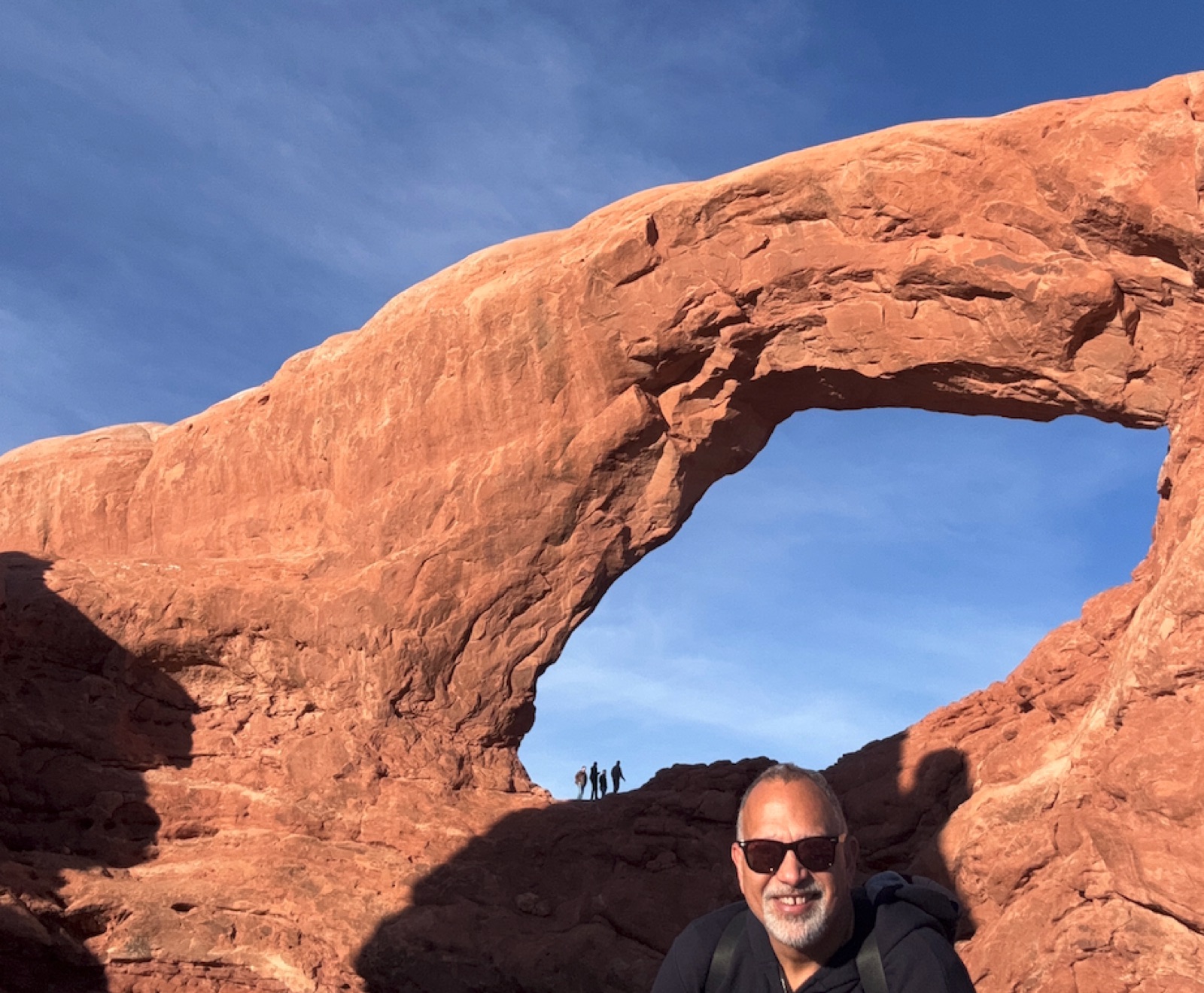
Windows Arch at the Arches National Park
Act now!
If you are ready to equip your team with the human infrastructure required for the Accountability Era, let’s talk.
Upcoming 2026 Accelerator Cohorts:
- April 21–25: Shaping the Future of Commercial Models (including Medical Devices)
- May 18–22: Shaping the Future of Clinical Trial Models
- October 5–9: The Future of Regulatory Models
- November 2–6: Shaping the Future of the Healthcare vs. Sickcare Ecosystem
DM me to explore how we can position your leaders to lead this transformation.